August: Month of Pachamama
No doubt when we travel, we dream of visiting different and almost magical places that are out of the ordinary; We seek adventure, traditions and new customs; We want to meet new people, and face challenges of climate and infrastructure and create new memories through the awakening of our senses.
Bolivia is mystical, exotic and modern. It is a place where there is always something to see, visit and do. Places have exotic names such as ‘The Death Road’, ‘The Witches Market’, ‘Laguna Colorada’ etc, and there a multitude of holidays and festivals throughout the year. If there happens to be a month with no special day, then it is up to commercial enterprises to create a new one. Holidays range from the more common celebrations such as Christmas and New Year, to some more popular Latin America ones such as the ‘Day of the Dead’, ‘All Saints’, ‘Carnival´. Due to the cultural symbiosis that we have, there is always a good cause for celebration, such as in August which is the month of Pachamama.
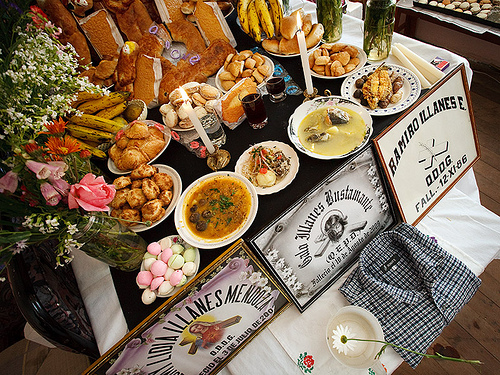
Pachamama is the goddess of the Earth. According to the yatiris or wise Aymaras, August is regarded as the period of the Laqan pajxi (month of the open mouth), because it is the time when Pachamama opens her mouth to receive offerings. The Andean cosmovision teaches us that everything has a soul, that everything lives, and goes on living after death. This is not only true of people but of tools and utensils, and of the land and the hills. The offering given to Pachamama (Mother Earth) is called Koa and is made up of sweets, koa (a ceremonial plant), coloured wood, untu (camelid fat), "mysteries" or symbols from kallawaya and aymaran culture, coca leaves, as well as a sullus or llama foetus. They are offered to Pachamama as a symbol of appreciation for the agricultural production in rural areas, and to the prosperity of business, health and family in cities.
Pachamama is the goddess of the Earth. According to the yatiris or wise Aymaras, August is regarded as the period of the Laqan pajxi (month of the open mouth), because it is the time when Pachamama opens her mouth to receive offerings. The Andean cosmovision teaches us that everything has a soul, that everything lives, and goes on living after death. This is not only true of people but of tools and utensils, and of the land and the hills. The offering given to Pachamama (Mother Earth) is called Koa and is made up of sweets, koa (a ceremonial plant), coloured wood, untu (camelid fat), "mysteries" or symbols from kallawaya and aymaran culture, coca leaves, as well as a sullus or llama foetus. They are offered to Pachamama as a symbol of appreciation for the agricultural production in rural areas, and to the prosperity of business, health and family in cities.

Pachamama is the highest divinity of the Andean people, because, in addition to providing protection, she alludes to fertility, abundance, femininity, generosity, and the maturity of crops. The term Pachamama translates as ‘Mother Earth’ - Pacha is a Quechua and Aymaran word which means Earth, Mara translate as cosmos, universe, time, and space, and Mama means Mother.
The concept of Pachamama is directly related to agrarian wealth, as the economy of the native people is based largely on agricultural production. However, a large part of the urban population maintains that their customs and beliefs are still valid in modern society. These beliefs have undergone some changes though, in order to exist alongside the Catholic faith and in some ceremonies, Pachamama worship is even done through the Virgin Mary.
In Andean culture, Pachamama is the protective goddess of all material goods and, at the same time, master of the spiritual universe. Thus, she symbolizes the human being in its entirety. As a result, those who believe in her must maintain a relationship of balance and reciprocity.
Pachamana diosa de la tierra. Según los yatiris o sabios aymaras agosto es considerado como el periodo del Laqan pajxi (mes de la boca abierta), porque es el tiempo cuando la Pachamama abre su boca para recibir las ofrendas.
La cosmovisión andina nos enseña que todo tiene alma, todo vive; creyendo que no sólo las personas viven después de la muerte: las herramientas, los utensilios de casa, el suelo que se pisa, los cerros pequeños o grandes tienen ánima, están vivos y hay que estimarlos; siendo por ello que se preparan ofrendas. El ritual a la Pachamama y la ofrenda se llama Koa que contiene dulces, koa (planta ceremonial), lana de colores, untu (grasa de camélido), “misterios” o simbología de la cultura kallawaya y aymara, mixtura y hojas de coca, además de los sullus o fetos de llama es entregada a la Pachamama como un símbolo de agradecimiento por la producción agrícola en el área rural y por la prosperidad de los negocios, la salud y la familia en las ciudades.
El término Pachamama se traduce al castellano como Madre Tierra, puesto que pacha es una palabra Quechua - Aymara y mara que en español significa tierra, cosmos, universo, tiempo, espacio y mama quiere decir madre.
El concepto de Pachamama guarda una directa relación con la riqueza agraria, ya que la economía de los pueblos originarios se basa en la producción agrícola. No obstante, una gran parte de la población urbana mantiene sus costumbres, creencias y mantienen vigencia en la sociedad moderna. Sin embargo sufrieron algunas alteraciones, al sincretizarse con la fe católica. Incluso, en algunas ceremonias, se adora a la Pachamama a través de la Virgen María.

Esta simbiosis se puede ver claramente en el cuadro “La Virgen del Cerro”, donde se observa que la Madre Tierra, representada por el cerro, además de ser la falda de la Virgen María queda por encima de la misma.
Igualmente, en las reuniones sociales, es muy habitual que la Pachamama reciba los primeros tragos de cerveza, ya que los creyentes antes de llevarse el primer sorbo a la boca, dejan caer unos chorros sobre la tierra, a modo de agradecer y alimentar a la Pachamama.
En la cultura andina, la Pachama es la diosa protectora de todos los bienes materiales y, a la vez, domina el universo de lo espiritual. Por ello, simboliza al entorno del ser humano en su totalidad. En consecuencia, los que creen en ella deben mantener una relación de equilibrio y reciprocidad con la misma.
The concept of Pachamama is directly related to agrarian wealth, as the economy of the native people is based largely on agricultural production. However, a large part of the urban population maintains that their customs and beliefs are still valid in modern society. These beliefs have undergone some changes though, in order to exist alongside the Catholic faith and in some ceremonies, Pachamama worship is even done through the Virgin Mary.
In Andean culture, Pachamama is the protective goddess of all material goods and, at the same time, master of the spiritual universe. Thus, she symbolizes the human being in its entirety. As a result, those who believe in her must maintain a relationship of balance and reciprocity.
De lugares y rituales: Agosto mes de la Pachamama
Bolivia mística, exótica y moderna. El lugar donde siempre hay algo que ver, visitar y hacer. Los lugares están revestidos con nombres exóticos, como ¨Camino de la muerte¨ ¨Mercado de las brujas¨ Laguna colorada¨ etc. También sus diferentes actividades y celebraciones, nos transportan al mundo de lo místico y debido a la simbiosis cultural que tenemos siempre hay un buen motivo de celebración, Agosto fue Mes de la PachamamaPachamana diosa de la tierra. Según los yatiris o sabios aymaras agosto es considerado como el periodo del Laqan pajxi (mes de la boca abierta), porque es el tiempo cuando la Pachamama abre su boca para recibir las ofrendas.
El término Pachamama se traduce al castellano como Madre Tierra, puesto que pacha es una palabra Quechua - Aymara y mara que en español significa tierra, cosmos, universo, tiempo, espacio y mama quiere decir madre.
El concepto de Pachamama guarda una directa relación con la riqueza agraria, ya que la economía de los pueblos originarios se basa en la producción agrícola. No obstante, una gran parte de la población urbana mantiene sus costumbres, creencias y mantienen vigencia en la sociedad moderna. Sin embargo sufrieron algunas alteraciones, al sincretizarse con la fe católica. Incluso, en algunas ceremonias, se adora a la Pachamama a través de la Virgen María.
Esta simbiosis se puede ver claramente en el cuadro “La Virgen del Cerro”, donde se observa que la Madre Tierra, representada por el cerro, además de ser la falda de la Virgen María queda por encima de la misma.
Igualmente, en las reuniones sociales, es muy habitual que la Pachamama reciba los primeros tragos de cerveza, ya que los creyentes antes de llevarse el primer sorbo a la boca, dejan caer unos chorros sobre la tierra, a modo de agradecer y alimentar a la Pachamama.
En la cultura andina, la Pachama es la diosa protectora de todos los bienes materiales y, a la vez, domina el universo de lo espiritual. Por ello, simboliza al entorno del ser humano en su totalidad. En consecuencia, los que creen en ella deben mantener una relación de equilibrio y reciprocidad con la misma.